Text Link
Money Matters
Text Link
Money Matters

8 Payment Methods in Australia: A Business Guide

By 
Adeniyi
November 7, 2026

2

mins read 
Blog Thumbnail

Choosing the right payment methods in Australia is an important part of running a business. Whether you operate a retail shop, an online store, a professional service or a growing company selling internationally, customers need convenient ways to pay and you need a reliable way to receive, track and reconcile those payments.

Australian businesses can accept payments through debit and credit cards, digital wallets, bank transfers, PayID, BPAY, direct debit, cash and buy now, pay later (BNPL) services. Each option comes with different requirements, processing costs, settlement times and customer experiences.

There is also an important recent change to consider: from 1 October 2026, businesses can no longer add surcharges for payments made using Visa, Mastercard, American Express and eftpos credit, debit and prepaid cards. Businesses should review their pricing and payment setup to ensure they comply with the new rules.

This guide explains the main payment methods in Australia, how they work and what businesses should consider when choosing a payment setup.

Key Takeaways

  • Australian businesses can accept payments through cards, digital wallets, bank transfers, PayID, BPAY, direct debit, cash and BNPL services.
  • The right combination depends on your business model, customer preferences, transaction size, processing costs and accounting needs.
  • From 1 October 2026, businesses can no longer add surcharges for payments made using Visa, Mastercard, American Express and eftpos credit, debit and prepaid cards.
  • Businesses selling internationally should consider currency conversion, cross-border transfer costs and how efficiently they can reconcile incoming payments. Multi-currency accounts, such as Pesa Business, can help manage funds in more than one currency.

‍

What Are the Main Payment Methods in Australia?

Payment methods are the ways customers pay for products or services. The method you choose can affect how quickly you receive funds, how much you pay in processing costs and how easily you manage your accounts.

The main payment methods used by Australian businesses include:

‍

Payment Method How It Works Common Business Use
Credit and debit cards Customers pay using a physical card or enter card details online. Retail, eCommerce, hospitality and service businesses
Digital wallets Customers pay using a compatible phone, watch or other device. In-store contactless payments and online checkout
Bank transfers Customers transfer funds directly from their bank account. Invoices, business-to-business payments and larger transactions
PayID and real-time bank transfers Customers send money using an eligible identifier or banking service. Invoices and direct bank-to-bank payments
BPAY Customers pay participating billers through their banking service. Bills, invoices and recurring business payments
Direct debit A business collects authorised payments from a customer's bank account. Subscriptions, memberships and recurring bills
Buy now, pay later Customers pay over time through a BNPL provider. Eligible retail and online purchases
Cash Customers pay with physical notes and coins. Markets, small retailers and some service businesses

Not every method suits every business. An online retailer may need card payments and digital wallets, while a consultancy that invoices other businesses may rely more heavily on bank transfers.

1. Credit and Debit Cards

Credit and debit cards are widely accepted across Australia. Businesses can take card payments through a physical payment terminal, an online checkout, a payment link or a compatible point-of-sale system.

Although both methods use card networks, they work differently.

  • Debit cards: Funds are generally taken directly from the customer's linked bank account.
  • Credit cards: Purchases are charged against the customer's available credit, which they repay according to their card agreement.

Benefits for businesses

Card payments make it convenient for customers to pay in person or online. They can also integrate with point-of-sale systems, eCommerce platforms, invoicing software and accounting tools.

For businesses selling online, card acceptance can help customers complete purchases without arranging a separate bank transfer.

Costs and considerations

Businesses may pay payment processing fees, terminal rental charges, gateway fees or other service fees, depending on their provider and agreement.

Compare the full cost of accepting cards rather than focusing on one advertised transaction rate. Check whether the provider has monthly fees, minimum charges, refund costs or additional fees for international cards.

Important: From 1 October 2026, businesses can no longer add a surcharge specifically for payments made using Visa, Mastercard, American Express and eftpos credit, debit and prepaid cards. Businesses may incorporate payment acceptance costs into their overall prices, but must not mislead customers about prices or the reasons for price increases. 

2. Digital Wallets: Apple Pay and Google Pay

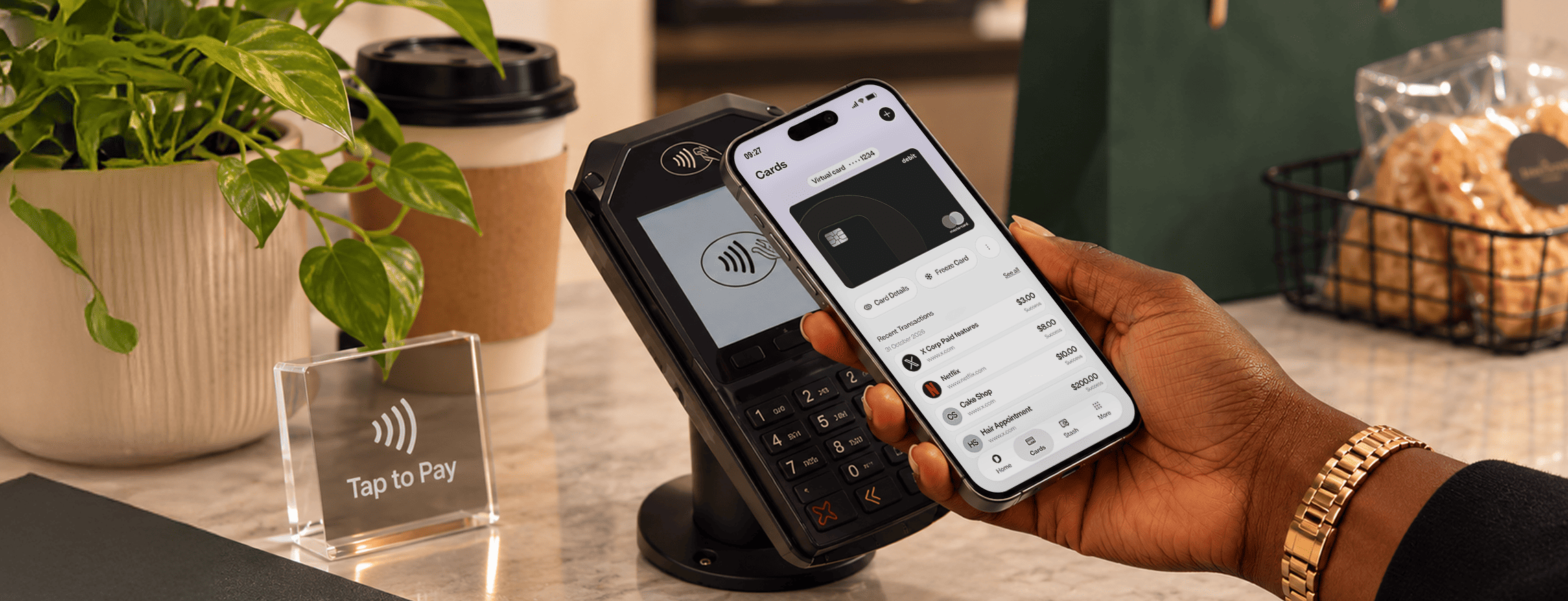
Digital wallets let customers pay using compatible smartphones, smartwatches and other devices. Apple Pay and Google Pay are familiar examples.

In physical stores, customers can generally tap a compatible device on a contactless terminal. Online, digital wallets may let customers complete checkout without manually entering their card details.

Why businesses offer digital wallets

Digital wallets can make payment quicker and reduce the number of steps involved in checkout. They are particularly useful for mobile shoppers, where manually entering card details can be inconvenient.

They can also work alongside existing card acceptance infrastructure, meaning a business may not need a completely separate payment system to support them.

‍

What to consider

Check that your payment provider and terminal support the wallets your customers use. For online payments, verify compatibility with your website platform, payment gateway and checkout design.

Digital wallets do not necessarily eliminate card processing costs. The fees depend on the underlying payment arrangement and your provider's pricing.

3. Bank Transfers and PayID

Bank transfers allow customers to send money directly from their bank account to a business's account. They are common for invoices, larger payments and business-to-business transactions.

PayID makes eligible bank transfers easier by allowing a recipient to be identified through a registered mobile number, email address or another supported identifier, rather than requiring the sender to enter traditional bank account details.

PayID works through participating financial institutions and the New Payments Platform (NPP). Depending on the banks and transaction, eligible transfers can arrive almost immediately and the service is available around the clock.

Benefits of bank transfers

  • They can be convenient for invoice payments and larger transactions.
  • PayID can reduce the need to share bank account details.
  • Eligible real-time transfers can improve cash flow.
  • They can be useful for businesses that do not need a card terminal for every sale.

What businesses should watch for

Do not assume every bank transfer is instant or irreversible in exactly the same way. Timing depends on the payment service and circumstances, and a payment may be delayed for review.

Businesses should also guard against payment redirection scams. If a supplier or customer says their bank details have changed, verify the change through a trusted, independently obtained contact method before sending money.

When accepting transfers, reconcile incoming payments against invoices and avoid treating a screenshot or email receipt as definitive proof that funds have arrived. Confirm the payment in your own banking system.

4. BPAY

BPAY is a bill payment service that allows customers to pay participating businesses through their banking service using the biller's details and a customer reference number.

It is commonly used for bills and invoices where the business has a suitable BPAY arrangement.

When BPAY may suit your business

BPAY can be useful if your business sends regular bills, collects payments against account references or serves customers who prefer paying through their bank.

It can also help associate payments with specific accounts when the reference number is entered correctly.

What to consider

BPAY is not a universal replacement for card payments or online checkout. Customers need the appropriate biller details, and processing times and costs depend on the arrangement.

If you are considering BPAY, check eligibility, fees, reconciliation features and how quickly funds become available.

5. Direct Debit and PayTo

Direct debit lets a business collect money from a customer's bank account under an authorised arrangement. It is often used for recurring payments such as subscriptions, memberships, insurance premiums and regular invoices.

PayTo is a newer account-to-account payment service built on Australia's New Payments Platform. It allows customers to authorise payment agreements through their participating financial institution. Depending on the arrangement, PayTo can support payment initiation and ongoing payment agreements.

Direct debit vs PayTo

‍

Feature Direct Debit PayTo
Typical use Recurring bills and scheduled collections Authorised account-to-account payment agreements
Customer authorisation Established direct debit authority process Digital payment agreement authorised through a participating financial institution
Payment infrastructure Often uses batch-based direct entry Built on the New Payments Platform
Availability Depends on the bank and provider Depends on participating banks and payment providers

For businesses collecting recurring payments, both options may be worth investigating. Check setup requirements, customer authorisation, payment timing, failure handling, cancellation processes and fees.

Do not assume PayTo is automatically available through every bank or payment provider.

6. Buy Now, Pay Later (BNPL)

Buy now, pay later services allow eligible customers to pay for purchases over time under the provider's terms. The provider typically manages the installment arrangement with the customer, while the business receives payments according to its agreement.

BNPL can be relevant to eligible retail and eCommerce businesses where customers value installment payments.

Potential benefits

  • Customers have another way to manage the timing of their payments.
  • Checkout can appeal to shoppers who prefer instalments.
  • Integration with an existing online store may be available through a payment provider.

Costs and risks

Merchant fees, settlement arrangements, refunds and customer eligibility depend on the provider. A BNPL option may also add integration and reconciliation work.

Assess whether the service suits your average order value, customer base and margins. Compare its total cost with cards and other payment methods rather than assuming installments will increase sales enough to offset the fees.

7. Cash Payments

Cash remains a payment option for Australian businesses, particularly markets, small retailers, service providers and businesses that operate in person.

Cash does not require a card processor for the transaction itself, but it creates other operational requirements. Businesses need procedures for handling cash, providing receipts, balancing tills, depositing funds and preventing theft.

When deciding whether to accept cash, consider your customers, transaction values, staff processes and the cost of managing physical money.

A business can offer a combination of cash and digital options so customers can choose a suitable method.

8. Online Payment Methods in Australia

If you sell through a website, online checkout is an important part of your payment setup. Customers may abandon a purchase if the methods offered do not suit them or if the process is difficult to complete.

Common online payment methods include:

  • Debit and credit cards.
  • Digital wallets such as Apple Pay and Google Pay.
  • Eligible bank payment options.
  • BNPL services.
  • Payment links sent by email or message.
  • Direct debit for recurring billing, where appropriate.

How to choose an online payment setup

Start with your eCommerce platform, the countries you sell to and the payment methods your customers expect. Then compare providers on supported methods, transaction fees, settlement timing, fraud controls, refund workflows and integration requirements.

For a small business, a hosted checkout or established payment gateway may be simpler than building payment functionality from scratch.

For a business selling across several countries, also consider whether the provider supports your currencies, overseas-issued cards and the reporting you need to reconcile transactions.

‍

How to Choose Payment Methods for Your Australian Business

The right payment setup depends on how your customers buy and how your business operates. Use the following factors to compare your options.

1. Customer preferences

Think about where customers pay and what they are likely to expect. A café may prioritise contactless cards and digital wallets, while a consultancy may receive most payments through invoices and bank transfers.

Use customer feedback and transaction data to understand which methods are actually useful rather than adding every possible option.

2. Total acceptance costs

Compare transaction fees, monthly charges, terminal costs, gateway fees, refund fees and any other applicable charges.

Since October 1, card surcharges are no longer permitted for Visa, Mastercard, American Express and eftpos credit, debit and prepaid card payments. This means that businesses have to review their pricing and provider agreements. Payment acceptance costs can still affect profitability even when they cannot be charged as a separate card surcharge.

3. Settlement time and cash flow

Consider how quickly payments become available in your business account. Instant payment initiation does not always mean every transaction is immediately final or available.

Businesses with tight cash flow should understand provider settlement schedules, weekends and public holidays, payment reviews and how failed payments are handled.

4. Security and fraud prevention

Use reputable payment providers, keep software updated, restrict access to payment systems and follow applicable security requirements.

For card payments, check how your provider supports fraud detection and payment security. For bank transfers, establish procedures for verifying account details and handling suspicious requests.

5. Accounting and reconciliation

Choose methods that make it easy to match transactions with invoices, orders and accounting records. Integration with accounting software can reduce manual data entry and help identify unpaid invoices, duplicate entries and refunds.

6. International customers and currencies

If you sell internationally, check which countries and currencies your payment provider supports. Understand how currency conversion works, what exchange rates and fees apply, and whether funds are paid out in your preferred currency.

For cross-border businesses, the process does not end when a customer pays. You also need to manage the money received, pay overseas suppliers where applicable and reconcile transfers with your accounting records. A multi-currency account, such as Pesa Business, lets a business hold and send money in supported currencies from one place.

‍

Payment Methods for Businesses Trading Internationally

Australian businesses selling to overseas customers may face additional considerations beyond domestic payments.

For example, a company may accept a card payment in a customer's local currency but receive its settlement in Australian dollars. The payment provider may apply currency conversion, and the final amount may differ from the original sale value because of fees or exchange-rate movements.

Before accepting international payments, consider:

  • Currency support: Can customers pay in their preferred currency?
  • Conversion costs: What exchange rate and conversion fees apply?
  • International card fees: Are there different fees for cards issued overseas?
  • Settlement currency: In which currency will the funds reach your account?
  • Supplier payments: How will you pay international contractors, vendors or partners?
  • Reconciliation: Can you match the original sale, conversion and payout in your accounting records?

‍

How Pesa can help with cross-border money management

Pesa supports international money transfers and multi-currency money management for supported markets and currencies. For a business that receives revenue or manages financial commitments across borders, it is useful to look beyond how a customer pays and consider how the funds will be managed afterwards.

With Pesa Business, businesses can hold balances in supported currencies, use separate account details for each currency and send international transfers, including scheduled payments, from the same dashboard.

Pesa’s multi-currency account offering is designed to help eligible businesses manage supported currencies and international payments. Features, currencies, local account details, transfer routes and fees depend on the service and market available to you.

If you are assessing cross-border payment arrangements, explore our multi-currency accounts and international transfers to check current availability and terms.

Pesa is not a replacement for every card terminal, checkout gateway or domestic payment method. Instead, it may form part of a wider financial setup for businesses that need to manage money across countries.
‍

‍

Common Payment Mistakes Businesses Should Avoid

Choosing payment methods is only one part of managing payments. Businesses also need clear processes for handling money securely and accurately.

Avoid these common mistakes:

1: Choosing a provider based only on the advertised transaction fee. Check the full pricing structure, including monthly charges, settlement fees, refunds and currency conversion.

2: Offering too many methods without a clear reason. Each additional option may require integration, support and reconciliation. Start with methods that suit your customers and add more when there is a business case.

3: Ignoring settlement timing. Understand when funds are available and how weekends, public holidays, payment reviews and failed transactions affect cash flow.

4: Failing to verify bank detail changes. Payment redirection scams can result in funds being sent to fraudulent accounts. Verify changes independently before making a transfer.

5: Treating all payment methods as equally reversible. Disputes, refunds and recovery processes differ across card payments, bank transfers and other methods.

6: Ignoring the October 2026 card surcharge changes. Review your checkout, invoices, price displays, payment terminal settings and provider agreement to ensure that card payment surcharges are no longer being applied where prohibited.

‍

Frequently Asked Questions

1: What are the most common payment methods in Australia?

Common methods include credit and debit cards, contactless payments, digital wallets, bank transfers, PayID, BPAY, direct debit, cash and buy now, pay later services. The methods a business should offer depend on its customers, sales channels and transaction types.

2: What is the difference between a payment method and a payment system?

A payment method is how a customer pays, such as a debit card or bank transfer. A payment system is the infrastructure and set of arrangements that processes or settles the transaction. For example, PayID is an identifier used for eligible bank transfers through participating institutions and the New Payments Platform.

3: Can Australian businesses charge a card surcharge?

Since 1 October 2026, businesses can no longer add a surcharge for payments made using Visa, Mastercard, American Express and eftpos credit, debit and prepaid cards. Businesses can still account for payment acceptance costs in their overall prices, subject to applicable pricing and consumer protection rules.

4: What is the cheapest payment method for an Australian business?

There is no single cheapest method for every business. Costs depend on transaction value, provider pricing, payment method, settlement arrangements and any additional service fees. Compare the total cost of accepting payments and consider how each method affects customer experience and administration.

5: How can a small business accept online payments in Australia?

A small business can use an established payment provider or gateway integrated with its website or eCommerce platform. Compare supported payment methods, setup requirements, transaction fees, settlement timing, security features, refunds and accounting integrations before choosing a provider.

6: Do Australian businesses need to accept digital wallets?

There is no universal requirement for every business to accept every digital wallet. Whether to offer Apple Pay, Google Pay or other methods depends on customer demand, the business's sales channels and provider support. Digital wallets may be useful for businesses that want to offer convenient contactless or online checkout options.

‍

Conclusion

Australian businesses have several ways to accept payments, from cards and digital wallets to bank transfers, PayID, BPAY, direct debit, cash and BNPL. The best setup is the one that meets customer needs while keeping costs, settlement timing, security and reconciliation manageable.

Start by identifying how customers prefer to pay, compare the full costs of suitable providers and make sure your payment processes work with your accounting system. If you trade internationally, consider currency conversion and how you will manage the funds after receiving them. A multi-currency account, such as Pesa Business, is one way to do this.

Finally, review your pricing and payment arrangements in light of the card surcharge changes that took effect on 1 October 2026. A well-planned payment setup can make it easier for customers to pay, help you manage cash flow and support your business as it grows.

                Send money with Pesa

Adeniyi

Related articles

See all
Adeniyi
Ibukun
Felix
Oge
Tolu Osho

Ready to
Experience Pesa?

Think money
‍Think Pesa

From home to abroad, and everywhere in between. We’ll help you send, receive, and convert your money with ease.

Download the appDownload the app

© 2026 Pesa LLC. All rights reserved.

Pesapeer Inc, is registered and regularised in Canada by the Financial Transactions and Report Analysis Centre of Canada as a Money Service Business. Rn: M20300281.

Pesapeer Payments LLC ((NMLS number 2796311) is registered in the United States as a Money Service Business with the United States Financial Crimes Enforcement Network (FinCEN). Rn: 31000315905794.

Pesapeer Payments Limited. Authorised and regulated by the Financial Conduct Authority (FCA) as Electronic Money Institution under Firm Reference Number (FRN) 931425. Registered address: Milton Hall Ely Road, Milton, Cambridge, England, CB24 6WZC UNITED KINGDOM.

Pesapeer Pty Ltd is also registered and regularised in Australia by the Australian Transaction Reports and Analysis Centre as an Independent Remittance Dealer  Rn: IND100859468-001

Back

8 Payment Methods in Australia: A Business Guide

By
Adeniyi
.
November 7, 2026
.
2
mins read
Money Matters

Choosing the right payment methods in Australia is an important part of running a business. Whether you operate a retail shop, an online store, a professional service or a growing company selling internationally, customers need convenient ways to pay and you need a reliable way to receive, track and reconcile those payments.

Australian businesses can accept payments through debit and credit cards, digital wallets, bank transfers, PayID, BPAY, direct debit, cash and buy now, pay later (BNPL) services. Each option comes with different requirements, processing costs, settlement times and customer experiences.

There is also an important recent change to consider: from 1 October 2026, businesses can no longer add surcharges for payments made using Visa, Mastercard, American Express and eftpos credit, debit and prepaid cards. Businesses should review their pricing and payment setup to ensure they comply with the new rules.

This guide explains the main payment methods in Australia, how they work and what businesses should consider when choosing a payment setup.

Key Takeaways

  • Australian businesses can accept payments through cards, digital wallets, bank transfers, PayID, BPAY, direct debit, cash and BNPL services.
  • The right combination depends on your business model, customer preferences, transaction size, processing costs and accounting needs.
  • From 1 October 2026, businesses can no longer add surcharges for payments made using Visa, Mastercard, American Express and eftpos credit, debit and prepaid cards.
  • Businesses selling internationally should consider currency conversion, cross-border transfer costs and how efficiently they can reconcile incoming payments. Multi-currency accounts, such as Pesa Business, can help manage funds in more than one currency.

‍

What Are the Main Payment Methods in Australia?

Payment methods are the ways customers pay for products or services. The method you choose can affect how quickly you receive funds, how much you pay in processing costs and how easily you manage your accounts.

The main payment methods used by Australian businesses include:

‍

Payment Method How It Works Common Business Use
Credit and debit cards Customers pay using a physical card or enter card details online. Retail, eCommerce, hospitality and service businesses
Digital wallets Customers pay using a compatible phone, watch or other device. In-store contactless payments and online checkout
Bank transfers Customers transfer funds directly from their bank account. Invoices, business-to-business payments and larger transactions
PayID and real-time bank transfers Customers send money using an eligible identifier or banking service. Invoices and direct bank-to-bank payments
BPAY Customers pay participating billers through their banking service. Bills, invoices and recurring business payments
Direct debit A business collects authorised payments from a customer's bank account. Subscriptions, memberships and recurring bills
Buy now, pay later Customers pay over time through a BNPL provider. Eligible retail and online purchases
Cash Customers pay with physical notes and coins. Markets, small retailers and some service businesses

Not every method suits every business. An online retailer may need card payments and digital wallets, while a consultancy that invoices other businesses may rely more heavily on bank transfers.

1. Credit and Debit Cards

Credit and debit cards are widely accepted across Australia. Businesses can take card payments through a physical payment terminal, an online checkout, a payment link or a compatible point-of-sale system.

Although both methods use card networks, they work differently.

  • Debit cards: Funds are generally taken directly from the customer's linked bank account.
  • Credit cards: Purchases are charged against the customer's available credit, which they repay according to their card agreement.

Benefits for businesses

Card payments make it convenient for customers to pay in person or online. They can also integrate with point-of-sale systems, eCommerce platforms, invoicing software and accounting tools.

For businesses selling online, card acceptance can help customers complete purchases without arranging a separate bank transfer.

Costs and considerations

Businesses may pay payment processing fees, terminal rental charges, gateway fees or other service fees, depending on their provider and agreement.

Compare the full cost of accepting cards rather than focusing on one advertised transaction rate. Check whether the provider has monthly fees, minimum charges, refund costs or additional fees for international cards.

Important: From 1 October 2026, businesses can no longer add a surcharge specifically for payments made using Visa, Mastercard, American Express and eftpos credit, debit and prepaid cards. Businesses may incorporate payment acceptance costs into their overall prices, but must not mislead customers about prices or the reasons for price increases. 

2. Digital Wallets: Apple Pay and Google Pay

Digital wallets let customers pay using compatible smartphones, smartwatches and other devices. Apple Pay and Google Pay are familiar examples.

In physical stores, customers can generally tap a compatible device on a contactless terminal. Online, digital wallets may let customers complete checkout without manually entering their card details.

Why businesses offer digital wallets

Digital wallets can make payment quicker and reduce the number of steps involved in checkout. They are particularly useful for mobile shoppers, where manually entering card details can be inconvenient.

They can also work alongside existing card acceptance infrastructure, meaning a business may not need a completely separate payment system to support them.

‍

What to consider

Check that your payment provider and terminal support the wallets your customers use. For online payments, verify compatibility with your website platform, payment gateway and checkout design.

Digital wallets do not necessarily eliminate card processing costs. The fees depend on the underlying payment arrangement and your provider's pricing.

3. Bank Transfers and PayID

Bank transfers allow customers to send money directly from their bank account to a business's account. They are common for invoices, larger payments and business-to-business transactions.

PayID makes eligible bank transfers easier by allowing a recipient to be identified through a registered mobile number, email address or another supported identifier, rather than requiring the sender to enter traditional bank account details.

PayID works through participating financial institutions and the New Payments Platform (NPP). Depending on the banks and transaction, eligible transfers can arrive almost immediately and the service is available around the clock.

Benefits of bank transfers

  • They can be convenient for invoice payments and larger transactions.
  • PayID can reduce the need to share bank account details.
  • Eligible real-time transfers can improve cash flow.
  • They can be useful for businesses that do not need a card terminal for every sale.

What businesses should watch for

Do not assume every bank transfer is instant or irreversible in exactly the same way. Timing depends on the payment service and circumstances, and a payment may be delayed for review.

Businesses should also guard against payment redirection scams. If a supplier or customer says their bank details have changed, verify the change through a trusted, independently obtained contact method before sending money.

When accepting transfers, reconcile incoming payments against invoices and avoid treating a screenshot or email receipt as definitive proof that funds have arrived. Confirm the payment in your own banking system.

4. BPAY

BPAY is a bill payment service that allows customers to pay participating businesses through their banking service using the biller's details and a customer reference number.

It is commonly used for bills and invoices where the business has a suitable BPAY arrangement.

When BPAY may suit your business

BPAY can be useful if your business sends regular bills, collects payments against account references or serves customers who prefer paying through their bank.

It can also help associate payments with specific accounts when the reference number is entered correctly.

What to consider

BPAY is not a universal replacement for card payments or online checkout. Customers need the appropriate biller details, and processing times and costs depend on the arrangement.

If you are considering BPAY, check eligibility, fees, reconciliation features and how quickly funds become available.

5. Direct Debit and PayTo

Direct debit lets a business collect money from a customer's bank account under an authorised arrangement. It is often used for recurring payments such as subscriptions, memberships, insurance premiums and regular invoices.

PayTo is a newer account-to-account payment service built on Australia's New Payments Platform. It allows customers to authorise payment agreements through their participating financial institution. Depending on the arrangement, PayTo can support payment initiation and ongoing payment agreements.

Direct debit vs PayTo

‍

Feature Direct Debit PayTo
Typical use Recurring bills and scheduled collections Authorised account-to-account payment agreements
Customer authorisation Established direct debit authority process Digital payment agreement authorised through a participating financial institution
Payment infrastructure Often uses batch-based direct entry Built on the New Payments Platform
Availability Depends on the bank and provider Depends on participating banks and payment providers

For businesses collecting recurring payments, both options may be worth investigating. Check setup requirements, customer authorisation, payment timing, failure handling, cancellation processes and fees.

Do not assume PayTo is automatically available through every bank or payment provider.

6. Buy Now, Pay Later (BNPL)

Buy now, pay later services allow eligible customers to pay for purchases over time under the provider's terms. The provider typically manages the installment arrangement with the customer, while the business receives payments according to its agreement.

BNPL can be relevant to eligible retail and eCommerce businesses where customers value installment payments.

Potential benefits

  • Customers have another way to manage the timing of their payments.
  • Checkout can appeal to shoppers who prefer instalments.
  • Integration with an existing online store may be available through a payment provider.

Costs and risks

Merchant fees, settlement arrangements, refunds and customer eligibility depend on the provider. A BNPL option may also add integration and reconciliation work.

Assess whether the service suits your average order value, customer base and margins. Compare its total cost with cards and other payment methods rather than assuming installments will increase sales enough to offset the fees.

7. Cash Payments

Cash remains a payment option for Australian businesses, particularly markets, small retailers, service providers and businesses that operate in person.

Cash does not require a card processor for the transaction itself, but it creates other operational requirements. Businesses need procedures for handling cash, providing receipts, balancing tills, depositing funds and preventing theft.

When deciding whether to accept cash, consider your customers, transaction values, staff processes and the cost of managing physical money.

A business can offer a combination of cash and digital options so customers can choose a suitable method.

8. Online Payment Methods in Australia

If you sell through a website, online checkout is an important part of your payment setup. Customers may abandon a purchase if the methods offered do not suit them or if the process is difficult to complete.

Common online payment methods include:

  • Debit and credit cards.
  • Digital wallets such as Apple Pay and Google Pay.
  • Eligible bank payment options.
  • BNPL services.
  • Payment links sent by email or message.
  • Direct debit for recurring billing, where appropriate.

How to choose an online payment setup

Start with your eCommerce platform, the countries you sell to and the payment methods your customers expect. Then compare providers on supported methods, transaction fees, settlement timing, fraud controls, refund workflows and integration requirements.

For a small business, a hosted checkout or established payment gateway may be simpler than building payment functionality from scratch.

For a business selling across several countries, also consider whether the provider supports your currencies, overseas-issued cards and the reporting you need to reconcile transactions.

‍

How to Choose Payment Methods for Your Australian Business

The right payment setup depends on how your customers buy and how your business operates. Use the following factors to compare your options.

1. Customer preferences

Think about where customers pay and what they are likely to expect. A café may prioritise contactless cards and digital wallets, while a consultancy may receive most payments through invoices and bank transfers.

Use customer feedback and transaction data to understand which methods are actually useful rather than adding every possible option.

2. Total acceptance costs

Compare transaction fees, monthly charges, terminal costs, gateway fees, refund fees and any other applicable charges.

Since October 1, card surcharges are no longer permitted for Visa, Mastercard, American Express and eftpos credit, debit and prepaid card payments. This means that businesses have to review their pricing and provider agreements. Payment acceptance costs can still affect profitability even when they cannot be charged as a separate card surcharge.

3. Settlement time and cash flow

Consider how quickly payments become available in your business account. Instant payment initiation does not always mean every transaction is immediately final or available.

Businesses with tight cash flow should understand provider settlement schedules, weekends and public holidays, payment reviews and how failed payments are handled.

4. Security and fraud prevention

Use reputable payment providers, keep software updated, restrict access to payment systems and follow applicable security requirements.

For card payments, check how your provider supports fraud detection and payment security. For bank transfers, establish procedures for verifying account details and handling suspicious requests.

5. Accounting and reconciliation

Choose methods that make it easy to match transactions with invoices, orders and accounting records. Integration with accounting software can reduce manual data entry and help identify unpaid invoices, duplicate entries and refunds.

6. International customers and currencies

If you sell internationally, check which countries and currencies your payment provider supports. Understand how currency conversion works, what exchange rates and fees apply, and whether funds are paid out in your preferred currency.

For cross-border businesses, the process does not end when a customer pays. You also need to manage the money received, pay overseas suppliers where applicable and reconcile transfers with your accounting records. A multi-currency account, such as Pesa Business, lets a business hold and send money in supported currencies from one place.

‍

Payment Methods for Businesses Trading Internationally

Australian businesses selling to overseas customers may face additional considerations beyond domestic payments.

For example, a company may accept a card payment in a customer's local currency but receive its settlement in Australian dollars. The payment provider may apply currency conversion, and the final amount may differ from the original sale value because of fees or exchange-rate movements.

Before accepting international payments, consider:

  • Currency support: Can customers pay in their preferred currency?
  • Conversion costs: What exchange rate and conversion fees apply?
  • International card fees: Are there different fees for cards issued overseas?
  • Settlement currency: In which currency will the funds reach your account?
  • Supplier payments: How will you pay international contractors, vendors or partners?
  • Reconciliation: Can you match the original sale, conversion and payout in your accounting records?

‍

How Pesa can help with cross-border money management

Pesa supports international money transfers and multi-currency money management for supported markets and currencies. For a business that receives revenue or manages financial commitments across borders, it is useful to look beyond how a customer pays and consider how the funds will be managed afterwards.

With Pesa Business, businesses can hold balances in supported currencies, use separate account details for each currency and send international transfers, including scheduled payments, from the same dashboard.

Pesa’s multi-currency account offering is designed to help eligible businesses manage supported currencies and international payments. Features, currencies, local account details, transfer routes and fees depend on the service and market available to you.

If you are assessing cross-border payment arrangements, explore our multi-currency accounts and international transfers to check current availability and terms.

Pesa is not a replacement for every card terminal, checkout gateway or domestic payment method. Instead, it may form part of a wider financial setup for businesses that need to manage money across countries.

‍

‍

Common Payment Mistakes Businesses Should Avoid

Choosing payment methods is only one part of managing payments. Businesses also need clear processes for handling money securely and accurately.

Avoid these common mistakes:

1: Choosing a provider based only on the advertised transaction fee. Check the full pricing structure, including monthly charges, settlement fees, refunds and currency conversion.

2: Offering too many methods without a clear reason. Each additional option may require integration, support and reconciliation. Start with methods that suit your customers and add more when there is a business case.

3: Ignoring settlement timing. Understand when funds are available and how weekends, public holidays, payment reviews and failed transactions affect cash flow.

4: Failing to verify bank detail changes. Payment redirection scams can result in funds being sent to fraudulent accounts. Verify changes independently before making a transfer.

5: Treating all payment methods as equally reversible. Disputes, refunds and recovery processes differ across card payments, bank transfers and other methods.

6: Ignoring the October 2026 card surcharge changes. Review your checkout, invoices, price displays, payment terminal settings and provider agreement to ensure that card payment surcharges are no longer being applied where prohibited.

‍

Frequently Asked Questions

1: What are the most common payment methods in Australia?

Common methods include credit and debit cards, contactless payments, digital wallets, bank transfers, PayID, BPAY, direct debit, cash and buy now, pay later services. The methods a business should offer depend on its customers, sales channels and transaction types.

2: What is the difference between a payment method and a payment system?

A payment method is how a customer pays, such as a debit card or bank transfer. A payment system is the infrastructure and set of arrangements that processes or settles the transaction. For example, PayID is an identifier used for eligible bank transfers through participating institutions and the New Payments Platform.

3: Can Australian businesses charge a card surcharge?

Since 1 October 2026, businesses can no longer add a surcharge for payments made using Visa, Mastercard, American Express and eftpos credit, debit and prepaid cards. Businesses can still account for payment acceptance costs in their overall prices, subject to applicable pricing and consumer protection rules.

4: What is the cheapest payment method for an Australian business?

There is no single cheapest method for every business. Costs depend on transaction value, provider pricing, payment method, settlement arrangements and any additional service fees. Compare the total cost of accepting payments and consider how each method affects customer experience and administration.

5: How can a small business accept online payments in Australia?

A small business can use an established payment provider or gateway integrated with its website or eCommerce platform. Compare supported payment methods, setup requirements, transaction fees, settlement timing, security features, refunds and accounting integrations before choosing a provider.

6: Do Australian businesses need to accept digital wallets?

There is no universal requirement for every business to accept every digital wallet. Whether to offer Apple Pay, Google Pay or other methods depends on customer demand, the business's sales channels and provider support. Digital wallets may be useful for businesses that want to offer convenient contactless or online checkout options.

‍

Conclusion

Australian businesses have several ways to accept payments, from cards and digital wallets to bank transfers, PayID, BPAY, direct debit, cash and BNPL. The best setup is the one that meets customer needs while keeping costs, settlement timing, security and reconciliation manageable.

Start by identifying how customers prefer to pay, compare the full costs of suitable providers and make sure your payment processes work with your accounting system. If you trade internationally, consider currency conversion and how you will manage the funds after receiving them. A multi-currency account, such as Pesa Business, is one way to do this.

Finally, review your pricing and payment arrangements in light of the card surcharge changes that took effect on 1 October 2026. A well-planned payment setup can make it easier for customers to pay, help you manage cash flow and support your business as it grows.

                Send money with Pesa

Think Money

Think Pesa

Send, spend, save and do more with Pesa
— simply and freely.
Download the app
Download the app