

.svg)



In Episode 1, we heard from Funsho about her experience of studying in the UK. Now, we’re heading to Russia to hear another perspective on what it’s really like to be an international student.
In this episode of our back-to-school series,Amara shares her experience of studying in Russia, from the realities of student life to the lessons they’ve learned along the way.
Hi Amara, please tell us a bit about yourself.
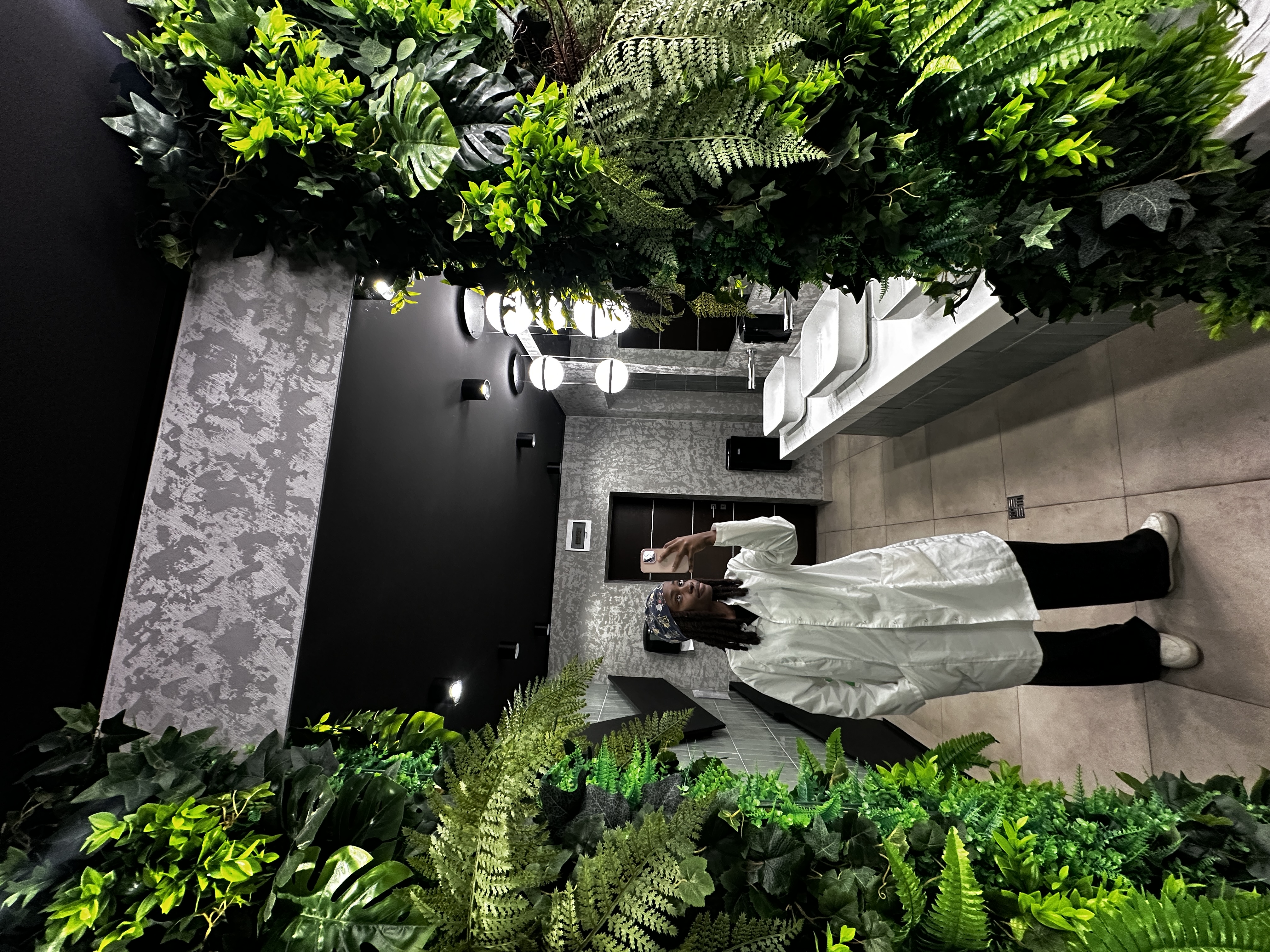
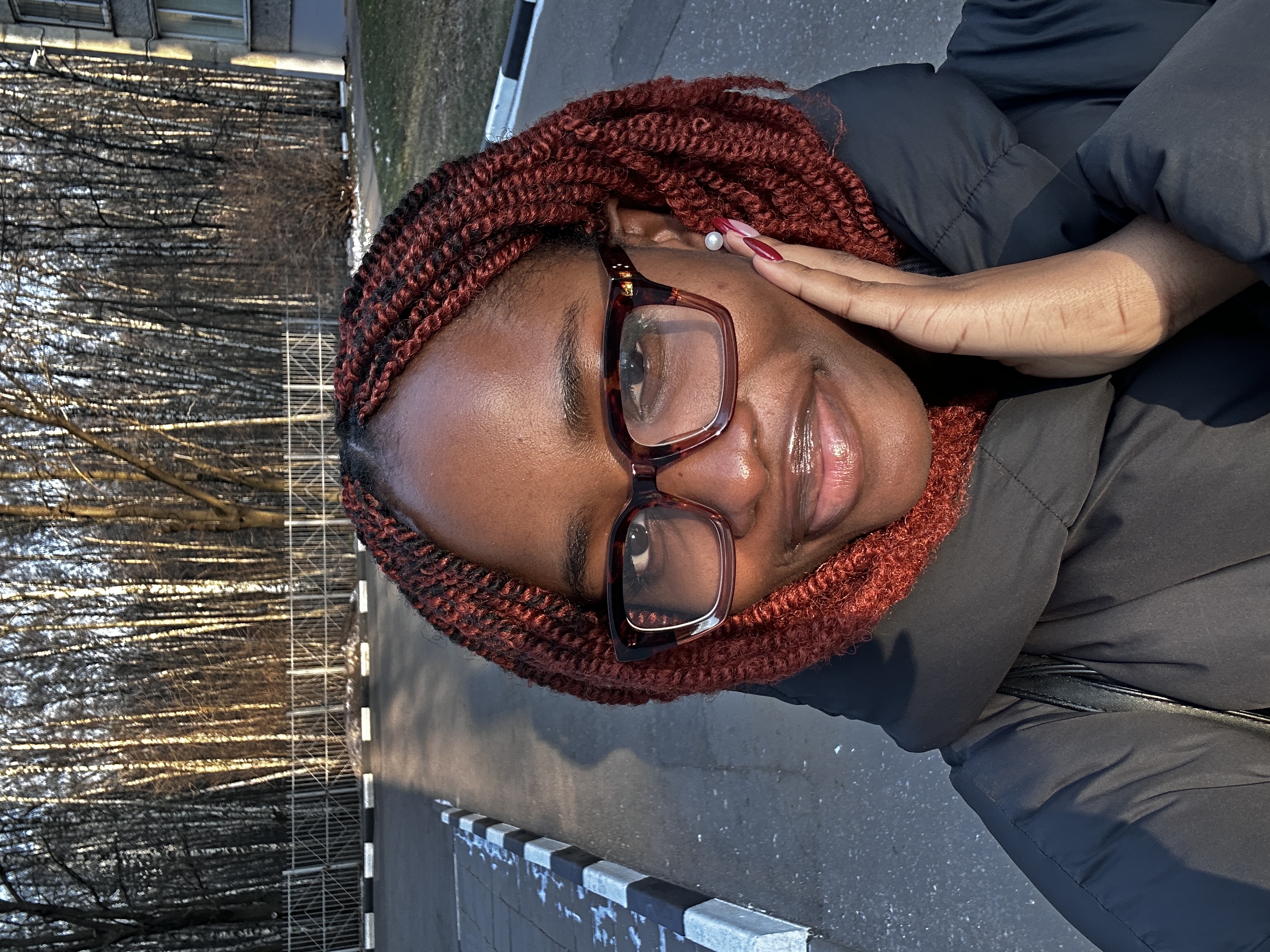
My name is Ubamara Okoli. I’m from Anambra State Nigeria and I am currently studying in Moscow Russia. I moved to in December 2021 because I got a scholarship opportunity to study medicine through the bilateral education agreement from the federal scholarship board of Nigeria (FSB)
Coming from Nigeria to study in Russia, what would you say has been the biggest difference in your student experience?
I actually never experienced university life in Nigeria. I got nominated for this scholarship opportunity just a month after I had written my POST-UTME to UNN Nsukka. I was later offered admission by merit (1st place actually 🙈) but shortly after that I was called and told that I was awarded the scholarship so I chose to study abroad instead of studying in Nigeria.
Was there anything about the education system in Russia that took you a while to understand or get used to?
A lot actually. The first is the fact that most of the exams here are oral exams,you sit with your teacher face to face and defend your knowledge about the set of topics you are being tested on. This was a bit difficult to adjust to coming from high school in Nigeria where a lot of exams were in the written format.
The second was the language of study. The official language here in Russia is Russian language and as a scholarship student you are expected to do a mandatory 9 months Russian language course (padfak) before you can study your course of choice and you are also expected to study your course of choice in Russian language. I started my padfak online just before I travelled and completed it the next year before starting my medical degree. It was a lot getting used to learning a whole new language and even doing my first year of med school in Russian (crazy times) but thankfully I got a rare opportunity to switch to the English medium in my second year of medschook and I took it.
The third thing I noticed with the Russian system of education was that we study in smaller groups of 20-30 people; attending lectures, learning from teachers and doing projects together as opposed to Nigeria where an entire set of students studying the same course all have to sit in a lecture hall together to learn from a teacher.

Thinking back to your first semester, what was the biggest challenge you faced? Were there moments when you felt overwhelmed or wondered if you’d made the right decision?
My biggest challenge in my first semester was adjusting to studying in Russian language because the amount of work involved was insane.I constantly had to teach myself 80 percent of my material after learning about 20 percent in class as a result of the language barrier. My translator app was my best friend (God bless Yandex translate) as I was always taking pictures of my textbooks and materials,translating to English to understand, watching YouTube videos in English to further understand and then having to use my little knowledge of Russian to answer the questions the teachers asked in lessons based on the knowledge I had in English. And yes, I felt overwhelmed a lot of times because studying in a different language felt like a self-inflicted punishment I could have avoided.
Moving abroad comes with plenty of expenses you expect — but what’s one cost that completely caught you off guard as a student?
The money expense that caught me by surprise after moving was getting myself a laptop. I didn’t have a laptop prior to leaving Nigeria and I was doing my language course online. When I travelled to Russia I still had to study online till I had completed some medical checks that certified I was able to attend lessons physically. In that period the need for a laptop arose because my phone started to lag and the weather in Russia at the time I arrived, which was winter, wasn't conducive for my poor android phone. I had to take a whooping 40k rubles (about 300k naira at the time) out of the money I was using to settle in to get myself a laptop for school.
If you could only recommend one app or tool to a new international student, what would it be?
Yandex Translate was the absolute OG when I first arrived in Russia because of the language barrier. Yandex maps and the metro helped me navigate directions and transport in Moscow. For education YouTube is still a go to app to understand a lot of subjects in med school.
When you first arrived, how did you go from knowing no one to finding your people?
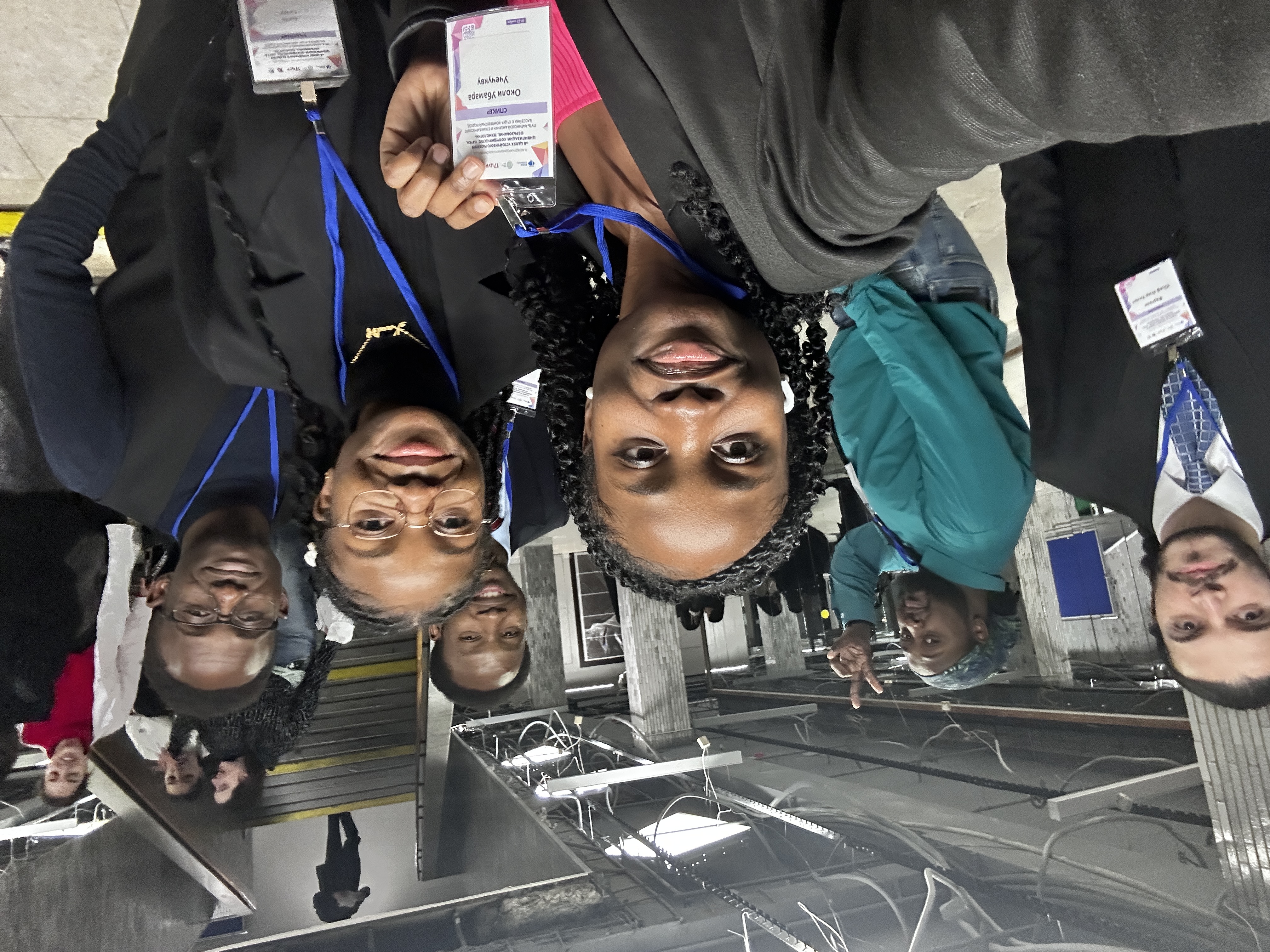
It was relatively easy because I knew and met some people already from my scholarship set back in Nigeria when we were doing our authentications at the ministry of education and ministry of foreign affairs.Most of those relationships continued after we arrived Russia and I met some other people when I arrived from church, our scholarship association and school.
What was your job search like after moving? Did you find work as quickly as you expected, or did the process come with a few surprises?
It was a bit harder than expected because a lot of employers on Headhunter (a job hunting platform here in Russia) were looking for employees with significant job experience and I didn’t have that at first. I managed to secure an online English teaching job after one year of living in Russia and was able to make a reasonable amount for a starter. I got two more English teaching jobs after that but now I run a service based business that serves Nigerians and other Africans in Russia.
How did you find your first apartment
I do not live in a personal apartment at the moment. I live in a shared accommodation that my university provides.
Between lectures, work, making friends, and simply finding time for yourself, how did you keep everything from becoming too much?
Balance at different stages of my med school journey looked different. I focused mainly on school in my first to third year (preclinical years) because the workload was much. Thanks to my family, I was able to study comfortably without needing to necessarily maintain a job alongside studying.
However, moving to my clinical years, I now have more time on my hands so I am able to run my business while also studying. My weekdays entail going to hospitals for classes in the morning till about 1pm and business from after school till evening. I like to rest and recharge on Saturdays and on Sundays I attend church together with other believers.
Being away from home for the first time can hit differently once the excitement of moving abroad starts to settle. How did you deal with homesickness during those first few months?
I dealt with homesickness by calling my family (A LOT). I would also try to make meals that reminded me of home. Talking to my friends about how I was feeling helped me greatly as well.
Looking back, what’s one thing you wish you had packed more of — or something you wish someone had told you to bring before you left?
Yammmm. I missed yam so much when I initially came as it is my favourite Nigerian food in all its forms. I got some from the African shop but couldn’t maintain buying it often because of the prices. I am glad I was able to bring golden morn and peak milk when coming too.
What’s one moment since moving here that made you realise just how far you’ve come?
I have been able to build a business that Africans in Russia trust and I have also been able to build my personal brand on social media in addition to monetising it.
Was there a moment when you suddenly stopped feeling like a newcomer and thought, “Wow, I actually live here now”?
Getting my temporary residence permit in Russia was that moment for me. It gave me a visa till six months after my graduation date so I do not have to renew my student visa yearly anymore.
If you could give a newcomer one money tip before starting school abroad, what would you tell them?
I’d say it is important as a student to delay gratification. You do not have to spend on certain things currently especially if you do not have the capacity to sustain that lifestyle. It is also important to spend on things you actually need and not buying things just to feel like you belong to a certain class of people because your value is not tied to the material things you own
Related articles
See all



Think money
Think Pesa
From home to abroad, and everywhere in between. We’ll help you send, receive, and convert your money with ease.
Download the appDownload the app


Join thousands of users sending money
Scan the QR code below with your phone
and you’ll get a link to get started

