

.svg)


.png)
Due to financial instability, a desire for change, and, more importantly, a search for a better life, many people opt to leave their home countries to establish themselves and settle in countries with greater stability and structure. As global migration increases, choosing the right country matters more than ever.
This guide breaks down a few countries to consider relocating to in 2026, focusing on migration trends, currency, minimum wage, and realistic pathways to permanent residency (PR) or citizenship.
Canada
Canada continues to rank among the most immigrant-friendly countries in the world. In Q3 2025, the country welcomed over 100,000 immigrants.
The Canadian Dollar (CAD) is the primary currency, and the minimum wage ranges between CAD $15–$17.75 per hour, depending on the province. Canada offers some of the clearest immigration pathways globally, including Express Entry, Provincial Nominee Programs (PNPs), and post-study work routes that lead directly to PR and eventual citizenship.
Canada is especially attractive to skilled professionals, international students, and families seeking long-term stability.
United Kingdom
The UK remains a top relocation choice due to its strong job market, global companies, and English-speaking environment. Around 898,000 people immigrated to the UK for long-term stays in the year ending June 2025
The official currency is the British Pound (GBP), and the national minimum wage is just around £12.21 per hour. Skilled migrants typically enter under the Skilled Worker Visa, which can lead to Indefinite Leave to Remain (ILR) after 5 years and, thereafter, citizenship.
Despite stricter immigration rules in recent years, the UK still offers structured pathways for professionals in high-demand sectors, such as the Global Talent Visa.
Portugal
Portugal has become one of Europe’s most popular relocation destinations, attracting over 100,000 new residents annually. Its affordability, warm climate, and flexible visa options continue to draw remote workers and retirees.
The currency used is the Euro (EUR). As of January 1, 2026, Portugal's national minimum wage increased to €920 per month, with higher rates for the Autonomous Regions: €966 in the Azores and €980 in Madeira.
Portugal’s D7 visa, work visas, and digital nomad options offer a clear path to permanent residency after five years, with citizenship available shortly after.
Portugal is particularly appealing for freelancers, remote workers, and those seeking a slower pace of life in Europe.
Australia
Australia remains a strong option for migrants seeking high wages and a quality of life. The country admits nearly 400,000 migrants each year, mainly through skilled migration streams.
The Australian Dollar (AUD) is the national currency, and Australia boasts one of the world’s highest minimum wages at around AUD $24.95 per hour. Immigration is largely points-based, with skilled workers qualifying for Permanent Residency through employer sponsorship or independent skilled visas.
Australia is ideal for professionals in healthcare, engineering, construction, and tech.
Germany
Germany is Europe’s economic powerhouse and welcomes millions of people yearly, many of whom fill skilled labour gaps.
The Euro (EUR) is used, and the minimum wage stands at about €12.82 per hour. Germany’s EU Blue Card system allows skilled professionals to transition to permanent residency within a few years, with citizenship available after a more extended period of residence.
Germany is best suited for skilled workers, engineers, and professionals willing to integrate into a structured system.
United Arab Emirates (UAE)
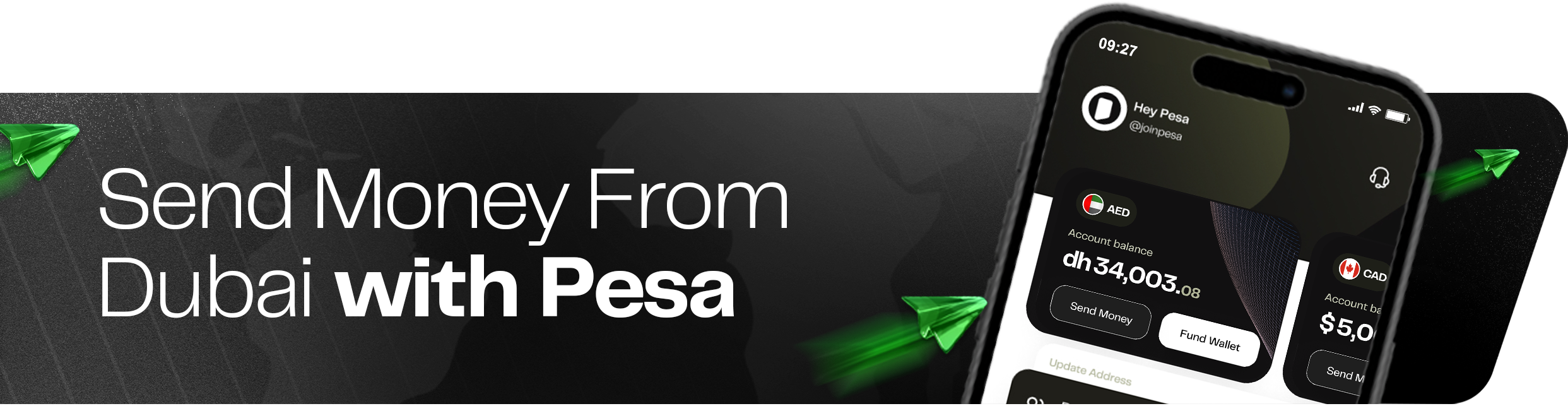
The UAE continues to attract migrants seeking tax-free income and career growth, with over 200,000 people relocating each year.
The currency is the UAE Dirham (AED). While there is no official minimum wage, salaries for skilled roles are generally competitive. Although the UAE does not offer traditional citizenship, long-term residence visas (5–10 years) now exist for professionals, investors, and entrepreneurs.
The UAE is ideal for high earners, entrepreneurs, and short- to mid-term relocation plans.
Netherlands
The Netherlands attracts roughly 300,000 migrants per year, driven by a strong tech sector and a high standard of living.
The Euro (EUR) is used, and the minimum wage averages around €14.71. Skilled professionals can relocate through the Highly Skilled Migrant Visa, which leads to permanent residency after five years.
The Netherlands is particularly attractive to tech workers and international professionals seeking a balanced work-life culture.
Ireland
Ireland continues to grow as a European tech hub, welcoming approximately 150,000 migrants annually.
The currency is the Euro (EUR), with a minimum wage of about €14.15 per hour for adult workers. The Critical Skills Employment Permit offers a fast-track route to permanent residency, making Ireland appealing to professionals in IT, healthcare, and finance.
Ireland is well-suited for English-speaking professionals looking to settle in Europe.
New Zealand
New Zealand remains a desirable destination for quality of life and safety, receiving around 70,000 migrants each year.
The New Zealand Dollar (NZD) is used, and the minimum wage is approximately NZD $23.50 per hour. The Skilled Migrant Category Visa offers a clear pathway to permanent residency.
New Zealand is ideal for professionals and families seeking a quieter, more balanced lifestyle.
Spain
Spain continues to attract international migrants, with over 500,000 people relocating annually.
The currency is the Euro (EUR), and the basic salary is €1,184 per month. Spain offers work visas and a Digital Nomad Visa, both of which can lead to permanent residency after five years.
Spain is particularly attractive for remote workers, creatives, and lifestyle-focused relocators.
How to manage your money when you relocate in 2026
Relocating to a new country doesn’t just mean finding a place to live or a new job — it also means figuring out how to manage money across borders. From receiving salaries in foreign currencies to paying rent, school fees, or supporting family back home, having the right financial setup matters.
This is where a multi-currency account like Pesa becomes useful.
With Pesa, you can:
- Hold multiple currencies in one app to reduce constant conversions.
- Send and receive money internationally within minutes.
- Avoid high transfer fees, especially for frequent cross-border payments.
- Move funds between wallets as your needs change in your new country.
For people relocating for work, school, or long-term settlement, using a multi-currency wallet helps simplify financial transitions as you adjust to a new environment.
Final Thoughts
Relocating in 2026 requires more than just ambition. The best country for you depends on your career, earning potential, lifestyle goals, and how easily you can transition to permanent residency.
Before making a move, always consider:
- migration trends,
- earning power versus cost of living,
- strength of the local currency, and
- realistic PR or citizenship pathways.
A well-planned relocation can change not just where you live, but how you live.
Related articles
See all



Think money
Think Pesa
From home to abroad, and everywhere in between. We’ll help you send, receive, and convert your money with ease.
Download the appDownload the app


Join thousands of users sending money
Scan the QR code below with your phone
and you’ll get a link to get started









.svg)


